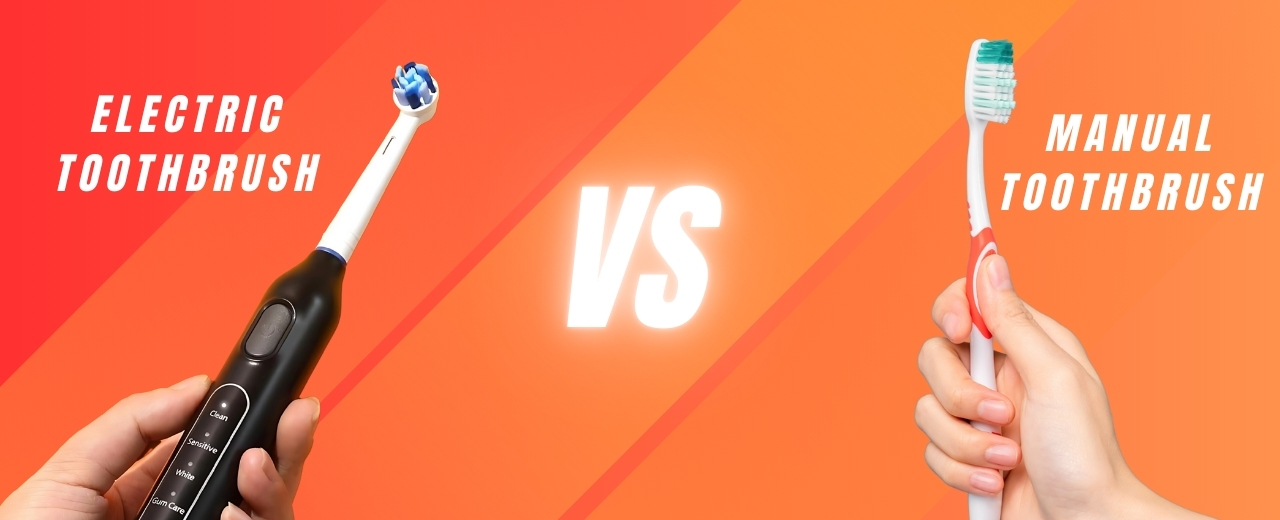
Keeping your teeth clean is one of the most important habits for a healthy mouth. A proper daily oral care routine helps prevent cavities, plaque buildup, and gum problems. But with so many options, people often wonder whether an electric toothbrush or a manual toothbrush is better for oral health.
This guide will explain the differences between electric toothbrushes and manual toothbrushes. You will learn which one is best for maintaining healthy teeth and gums, improving plaque removal, and keeping your oral hygiene routine effective.
What Is an Electric Toothbrush
An electric toothbrush is a powered toothbrush designed to make brushing easier and more effective. It uses vibration or rotation to move the brush head rapidly, helping remove plaque from teeth and along the gum line.
Electric toothbrushes are especially popular because they give a deeper clean than a manual toothbrush. They are ideal for anyone looking to improve oral hygiene, whether it is children, adults, or older people. Many electric toothbrushes have built-in timers to make sure you brush for the recommended two minutes.
Using an electric toothbrush can make your daily oral care routine easier. It helps reach areas that a manual toothbrush may miss, including hard-to-reach surfaces and tight spaces between teeth.
What Is a Manual Toothbrush
A manual toothbrush is the traditional toothbrush that relies entirely on your hand movements to clean your teeth. It is simple, affordable, and easy to carry.
A manual toothbrush can be effective if you brush correctly. The brushing technique is very important for removing plaque and maintaining gum health. You need to brush all surfaces of your teeth including the front, back, and chewing surfaces. It is also important to brush along the gum line to maintain healthy gums.
Although manual toothbrushes are widely used, the effectiveness depends on how carefully and consistently you brush. Missing spots or brushing too quickly can reduce plaque removal and overall oral hygiene.
Electric vs Manual Toothbrush: Which Removes More Plaque
Plaque removal is the main goal of brushing. Plaque is a sticky layer of bacteria that forms on your teeth. If it is not removed daily, it can cause cavities, gum inflammation, and bad breath.
Research shows that electric toothbrushes remove more plaque than manual toothbrushes. The fast movements and advanced brush head designs make it easier to clean the teeth thoroughly. This makes electric toothbrushes particularly effective for improving gum health and maintaining healthy teeth.
Manual toothbrushes can also remove plaque if used properly. However, it requires more effort and correct brushing technique. Many people miss certain areas or brush for less than the recommended two minutes, which reduces the effectiveness of manual brushing.
Benefits of Using an Electric Toothbrush
Electric toothbrushes offer several benefits that make them ideal for daily oral care.
Better Plaque Removal
The high-speed movement of an electric toothbrush helps remove plaque more effectively than manual brushing. This keeps your teeth cleaner and your gums healthier.
Gentle on Gums
Electric toothbrushes often have soft bristles and gentle cleaning modes. They are designed to clean the teeth without causing irritation to the gums.
Easier for Kids and Older Adults
Electric toothbrushes are easier to use for children and older adults who may struggle with hand strength or brushing technique. They make it simple to maintain good oral hygiene.
Helps Maintain Brushing Time
Built-in timers ensure you brush for the full two minutes. Many people brush too quickly, which reduces plaque removal. An electric toothbrush solves this problem and helps maintain healthy teeth and gums.
Ideal for Braces and Dental Work
If you have braces or other dental appliances, electric toothbrushes can reach difficult areas better than a manual toothbrush. This helps keep your teeth clean and improves oral hygiene overall.
Benefits of Using a Manual Toothbrush
Manual toothbrushes also have important benefits.
Affordable and Accessible
Manual toothbrushes are easy to find and cost less than electric toothbrushes. They are simple to carry and use anywhere.
No Charging Needed
You can brush anytime without worrying about batteries or electricity.
Full Control
Manual toothbrushes allow you to control pressure and angle. This can be beneficial if you have sensitive teeth or gums.
Effective With Proper Technique
Manual brushing can provide effective plaque removal if you follow the correct technique. Brushing slowly and thoroughly ensures healthy teeth and gums even without an electric toothbrush.
How to Choose the Best Toothbrush for Oral Health
Both electric and manual toothbrushes can maintain healthy teeth and gums if used correctly. Choosing the best toothbrush depends on your needs, lifestyle, and brushing habits.
Choose an Electric Toothbrush if:
- You want deeper plaque removal and cleaner teeth.
- You want to improve gum health.
- You struggle to brush for the full two minutes.
- You wear braces or dental appliances.
- You want an easy and effective daily oral care routine.
Choose a Manual Toothbrush if:
- You have confidence in your brushing technique.
- You prefer a simple and affordable option.
- You do not want to worry about charging.
- You are looking for a basic solution for oral hygiene.
Dentists recommend electric toothbrushes for most people because they improve plaque removal, make brushing easier, and help maintain healthy teeth and gums.
Tips for Better Brushing Technique
Regardless of the toothbrush you choose, good brushing technique is essential for oral hygiene.
- Brush at least twice a day for two minutes each time
- Use gentle circular motions to clean teeth and gums
- Reach all areas including front, back, chewing surfaces, and gum line
- Brush along the gum line to maintain healthy gums
- Replace your toothbrush or brush head every three months
- Clean your tongue to remove bacteria and improve oral hygiene
Following these tips will help you maintain a healthy mouth and strong teeth.
Do You Still Need to Floss
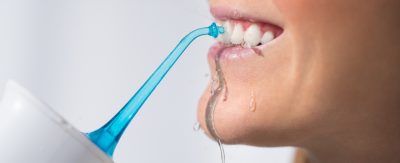
Brushing alone is not enough. Your toothbrush cannot reach the spaces between teeth. Flossing or water flossing is necessary for complete plaque removal and gum health.
Food particles and plaque can get trapped between teeth. Not cleaning these areas can cause cavities, bad breath, and gum problems. Water flossers are easy to use and highly effective at removing debris. Using them together with an electric or manual toothbrush gives the best results for healthy teeth and gums.
Get Your Complete Oral Health Care With Bitvae
Bitvae offers a wide range of products to improve your daily oral care routine.
Bitvae D2 Sonic Electric Toothbrush
Perfect for adults who want gentle and deep cleaning for healthy teeth and gums
Bitvae BV R2 Rechargeable Electric Toothbrush
Comfortable design and powerful cleaning to maintain oral hygiene
Bitvae P1 Portable Water Flosser
Portable and effective water flossing for complete plaque removal
Bitvae F30 Cordless Dental Water Flosser
Strong water pressure and easy to use for better gum health
These products are designed to make brushing easier and more effective while keeping your teeth and gums healthy.
Conclusion
Choosing the right toothbrush is important for maintaining healthy teeth and gums. Electric toothbrushes provide better plaque removal, make brushing easier, and improve gum health. Manual toothbrushes can still be effective if used properly with the correct technique.
Adding a proper daily oral care routine with brushing and flossing ensures your teeth stay clean and healthy. Using high-quality products from Bitvae helps you maintain a bright and confident smile every day.